Overview
Working Across Disciplines
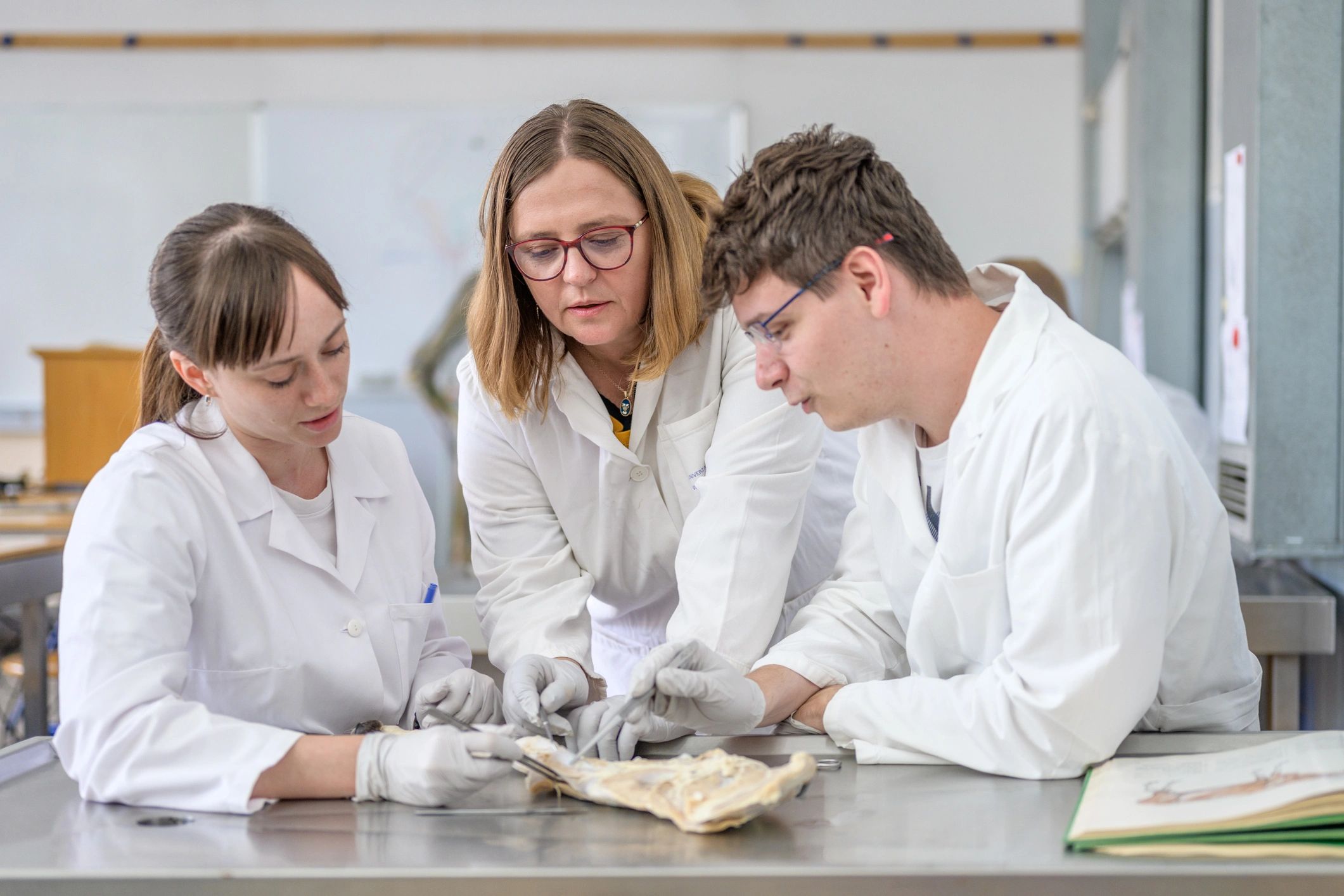
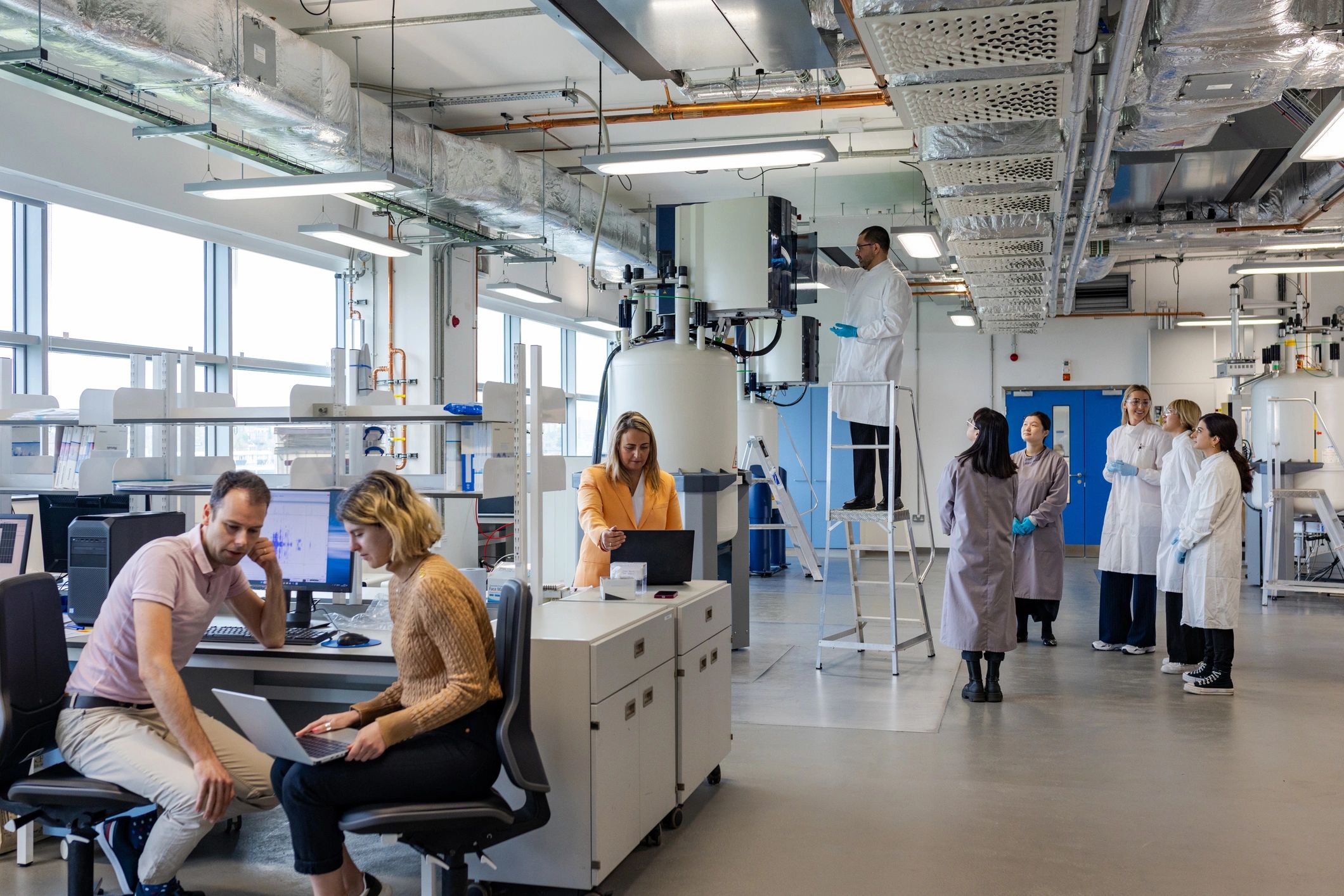
Collaboration is central to advancing biodiversity and conservation research. This page highlights academic, institutional, and field-based partnerships that support shared investigation, knowledge exchange, and long-term ecological understanding.
These collaborations may include joint research design, co-authored publications, species documentation, student mentoring, laboratory exchange, data sharing, and outreach activities that connect science with conservation practice.
Focus Areas
How Collaborations Contribute
Partnerships are built to expand research capacity, improve methodological depth, and create broader opportunities for conservation outcomes and student engagement.
Joint Research
Collaborative projects support interdisciplinary study in biodiversity conservation, ecology, taxonomy, and environmental change through shared expertise and coordinated fieldwork.
Publication Networks
Research partnerships create pathways for co-authored articles, technical reports, and scientific communication that extend the reach of ongoing work.
Student Training
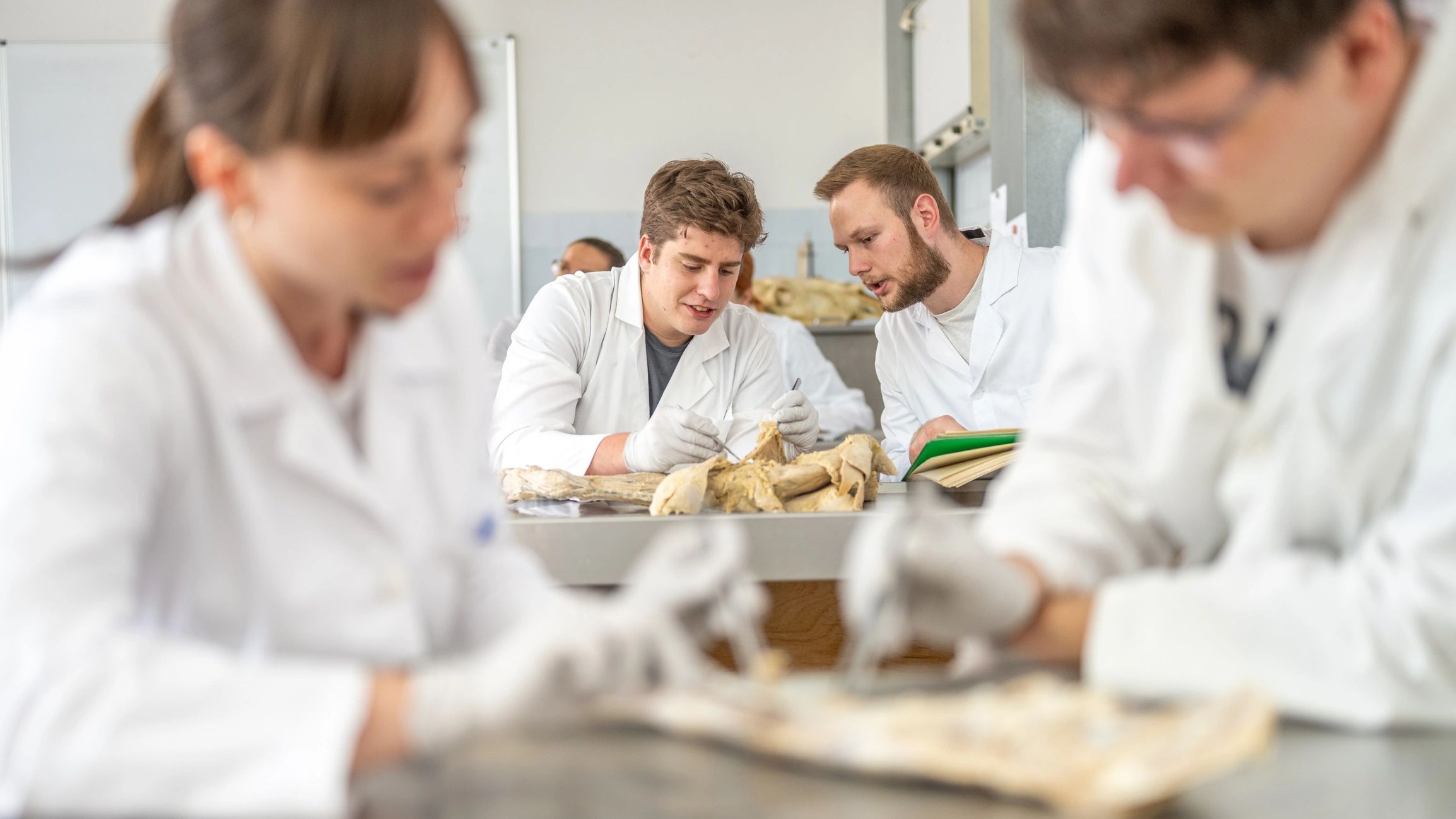
Collaborations provide students with exposure to field methods, laboratory practice, research discussions, and professional academic networks.
Institutional Exchange
Working with universities, laboratories, and conservation organizations helps strengthen infrastructure, data access, and long-term research continuity.
Partnership Models
Modes Of Collaboration
Collaborative work can take different forms depending on project goals, research questions, and the needs of students, institutions, and conservation stakeholders.