Resources
Tools for biodiversity study
Explore a curated set of research resources, field references, laboratory support materials, and learning pathways connected to biodiversity conservation, environmental research, and academic mentorship.
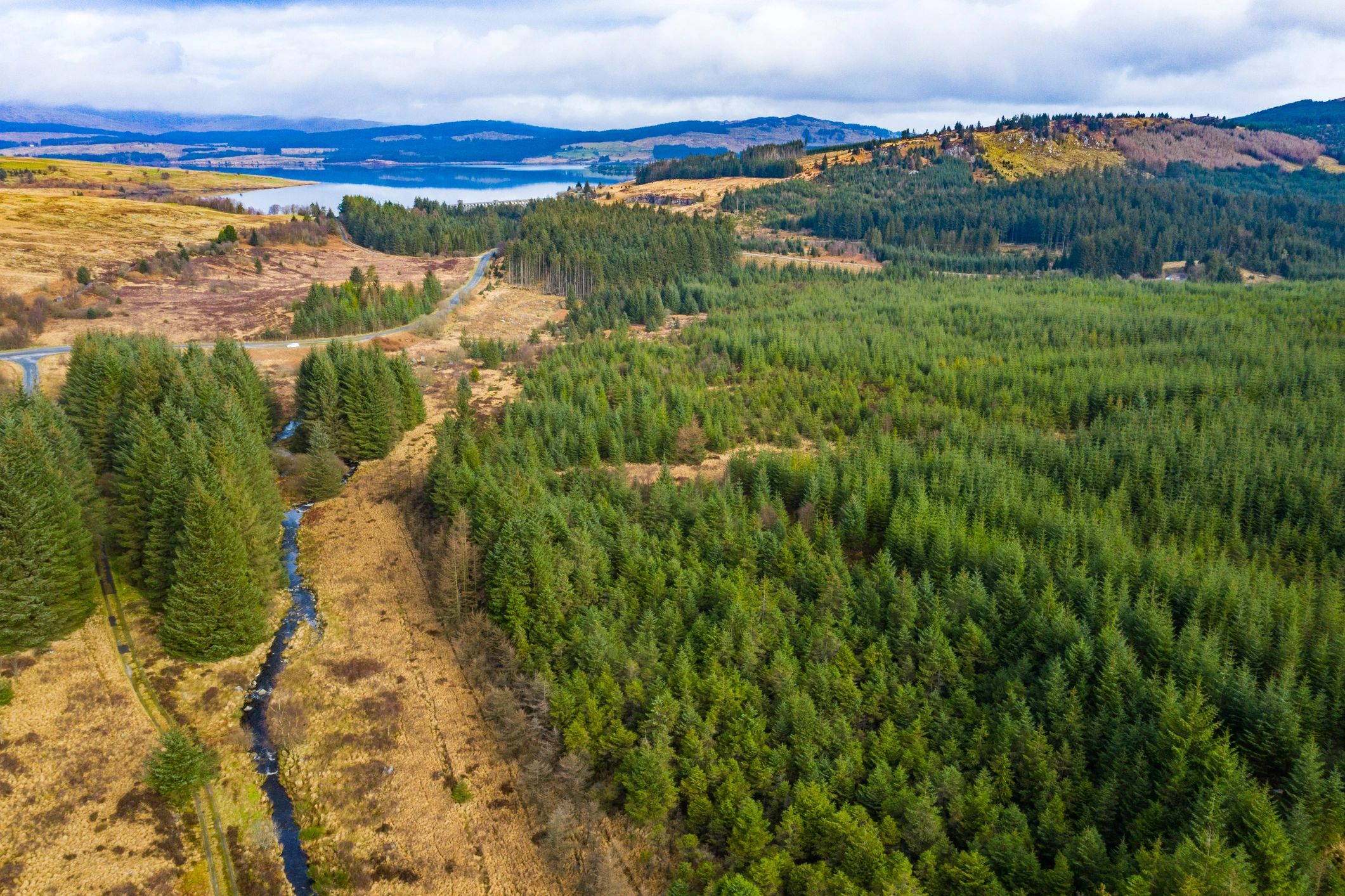
Collections
Core resource areas
This page brings together key materials that support research, teaching, collaboration, and student development across the broader academic profile of Dr. Aravind Neelavar Ananthram.
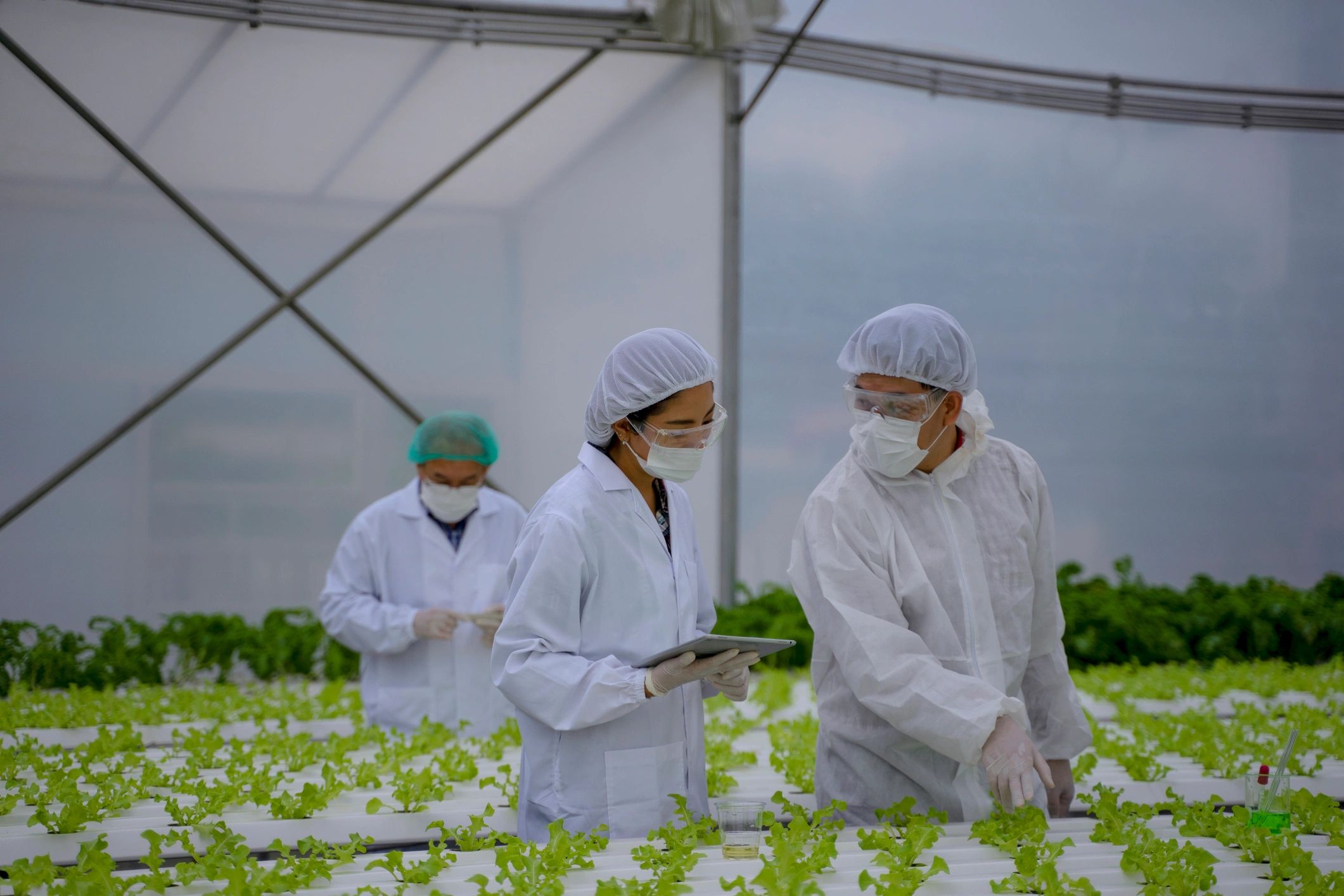
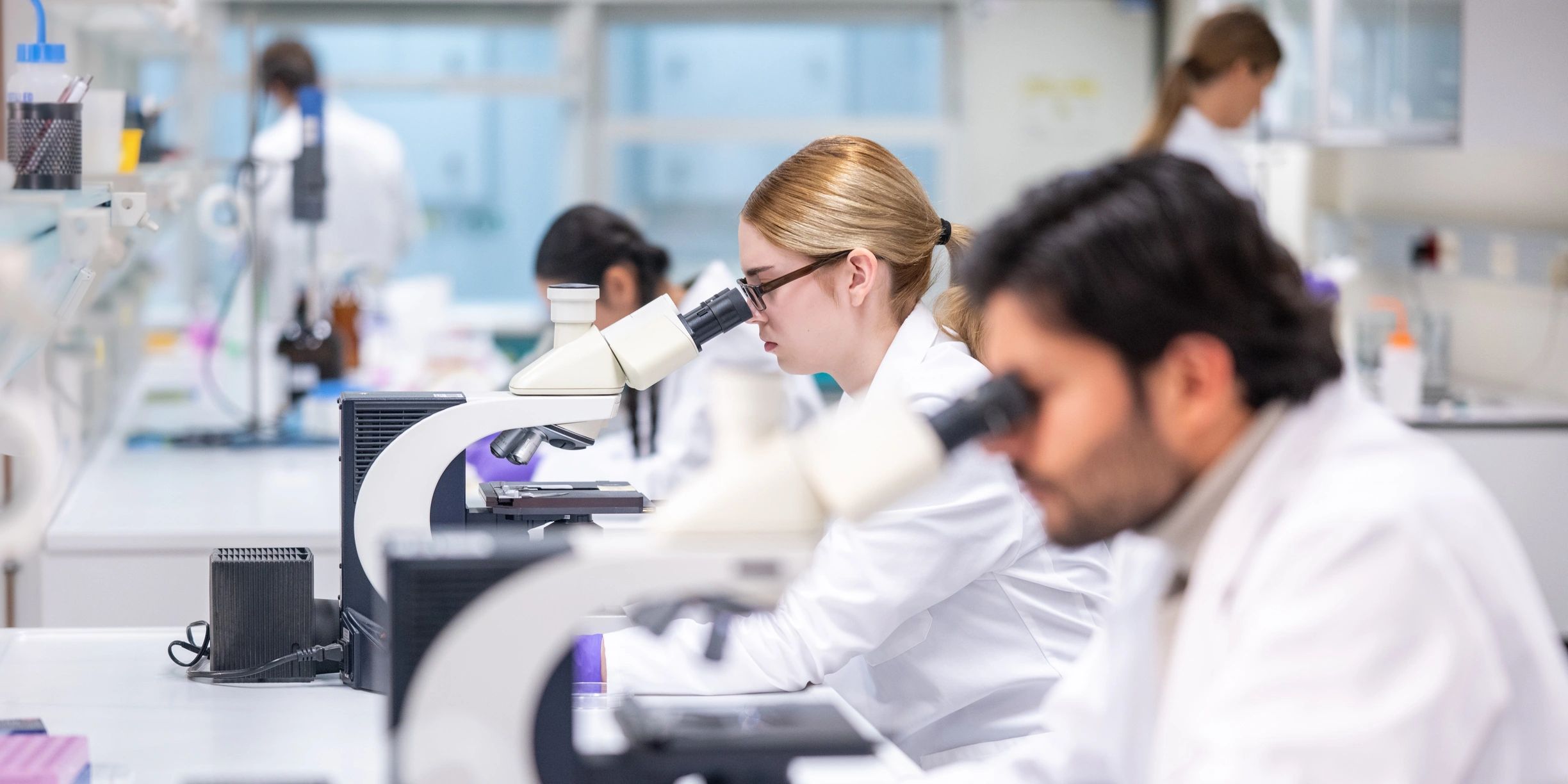
Guidance
How to use these resources
Whether you are a student, collaborator, or interested reader, these materials are organized to help you move quickly from overview pages to deeper academic content.
For students
Use the site to identify research themes, mentorship areas, project contexts, and publication trails that can support dissertation planning or research engagement.
For collaborators
Review current projects, laboratory capabilities, and publication history to understand thematic overlap and opportunities for interdisciplinary work.
For educators and peers
Consult teaching, outreach, workshop, and conference sections for material that reflects academic communication, training, and public-facing scholarship.
For general readers
Start with accessible summaries, then move into research pages and gallery content to understand the ecological questions, field settings, and conservation relevance of the work.