Teaching
Teaching for biodiversity understanding
Dr. Aravind Neelavar Ananthram’s teaching brings together biodiversity, conservation, field observation, and scientific inquiry to help students connect ecological theory with real-world environmental challenges.
Approach
How teaching is shaped
Teaching is designed to build strong conceptual foundations while encouraging curiosity, observation, and evidence-based thinking. Students are introduced to biodiversity conservation through classroom discussion, case-based learning, and examples drawn from ecological systems and environmental change.
Conceptual clarity
Field relevance
Student mentorship
Research connection
Teaching focus areas
The page highlights the main themes that define Dr. Ananthram’s teaching practice across undergraduate and postgraduate learning environments.
Area 01
Biodiversity and conservation
Courses and lectures emphasize biodiversity patterns, conservation priorities, and the ecological importance of species and habitats in a rapidly changing world.
Area 02
Field and observational learning
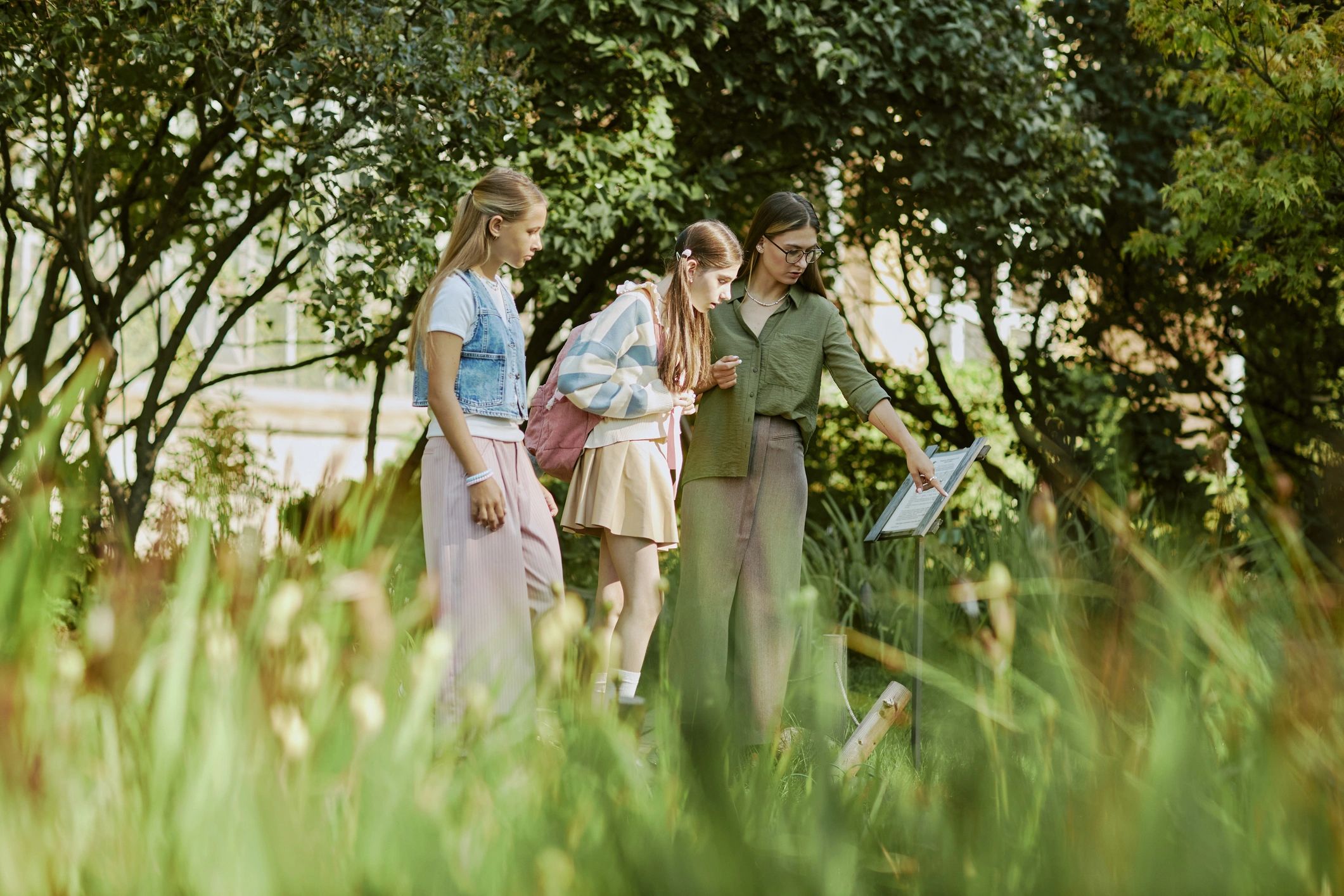
Students are encouraged to connect theory with practice through observation, documentation, and place-based learning that strengthens ecological interpretation.
Area 03
Research-led instruction
Teaching draws from active research in biodiversity and conservation, helping students understand how scientific questions are framed, investigated, and communicated.