Outreach
Workshops for Biodiversity Learning
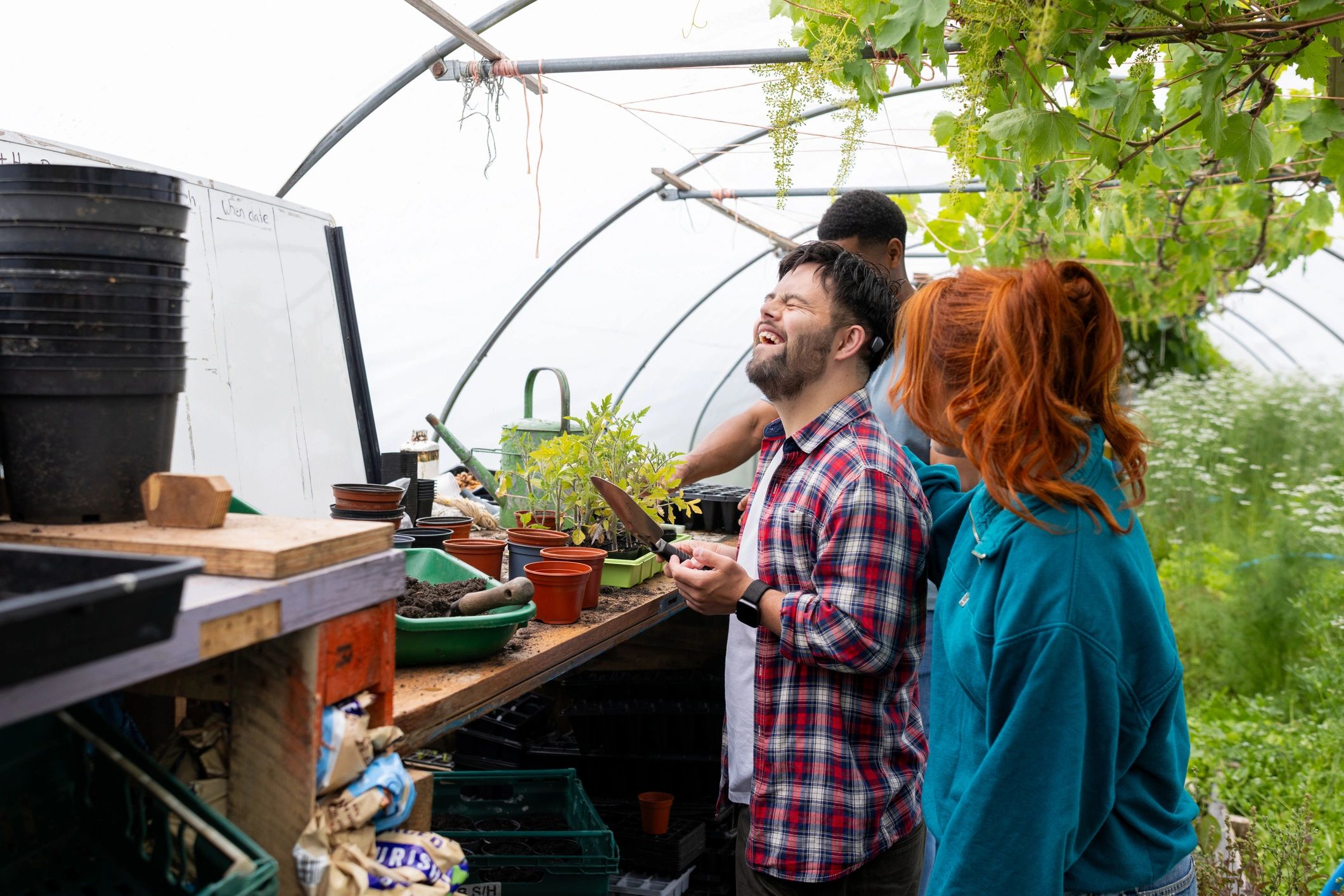
Hands-on workshops designed to connect students, researchers, and wider communities with biodiversity, conservation practice, field observation, and environmental awareness.
How the workshops are structured
Each workshop is designed to balance scientific clarity with practical engagement, making complex biodiversity topics accessible to different audiences.
Format
Interactive learning sessions
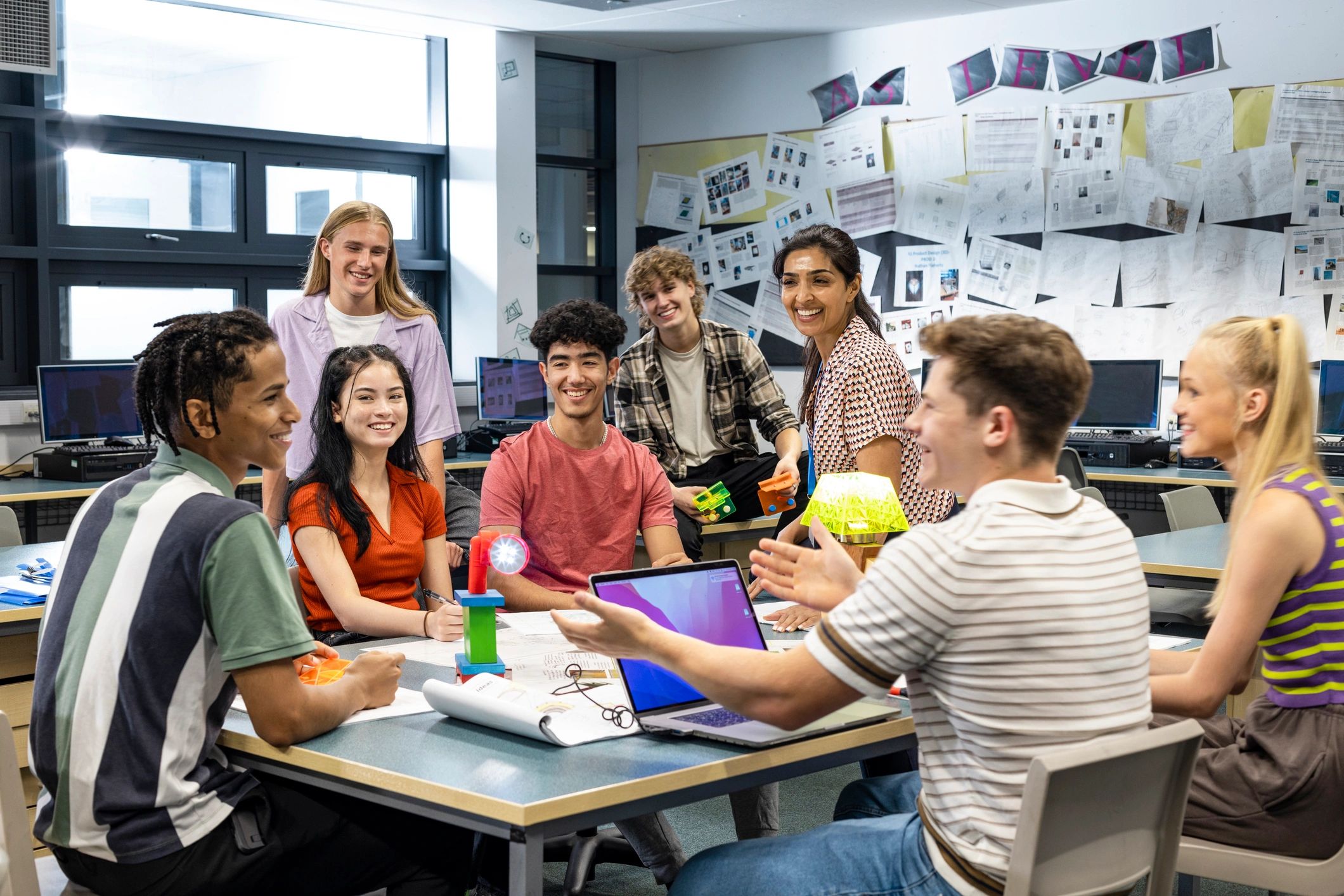
Sessions combine short lectures, guided discussion, and activity-based learning to introduce key ideas in biodiversity, ecology, and conservation.
Practice
Field and lab exposure
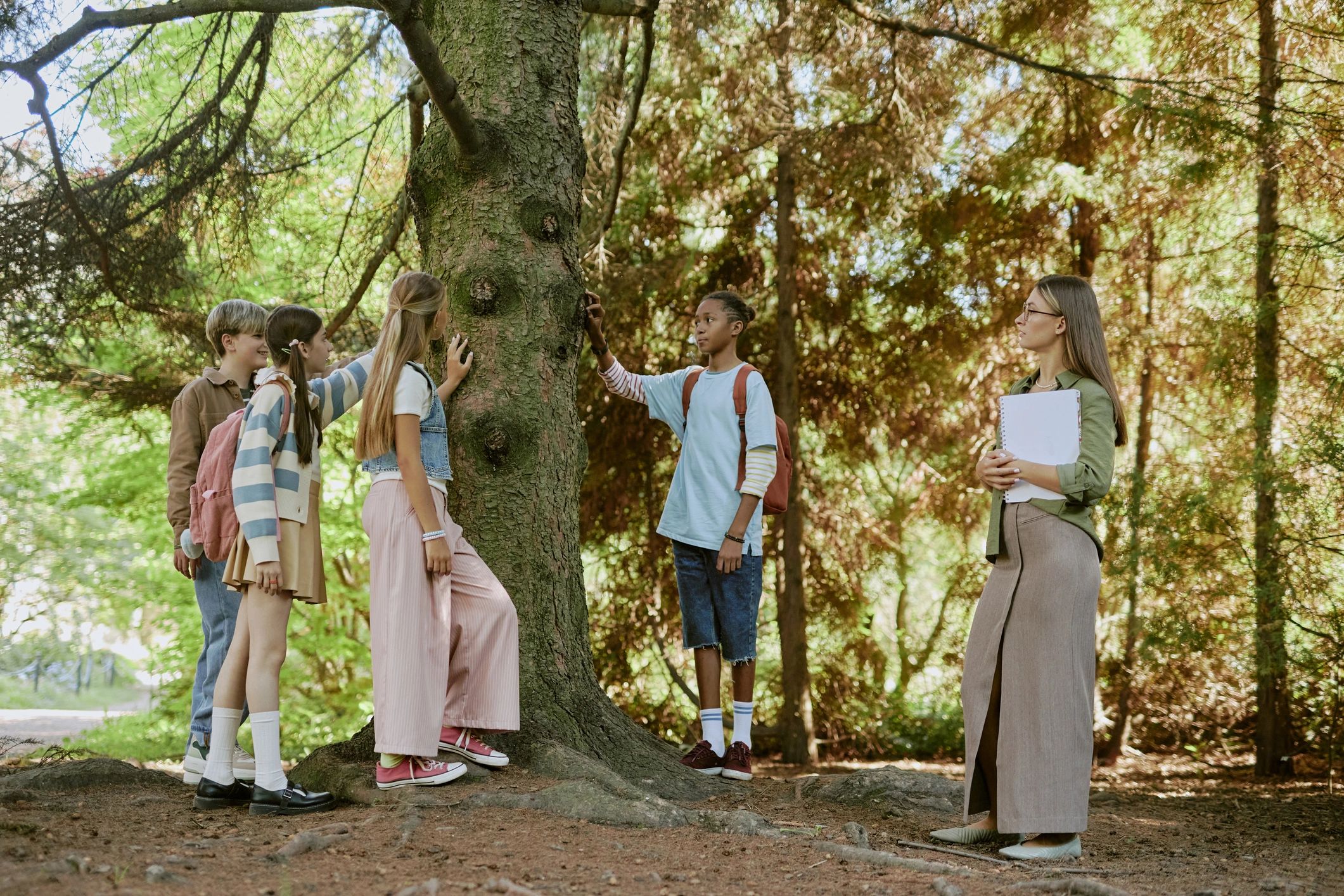
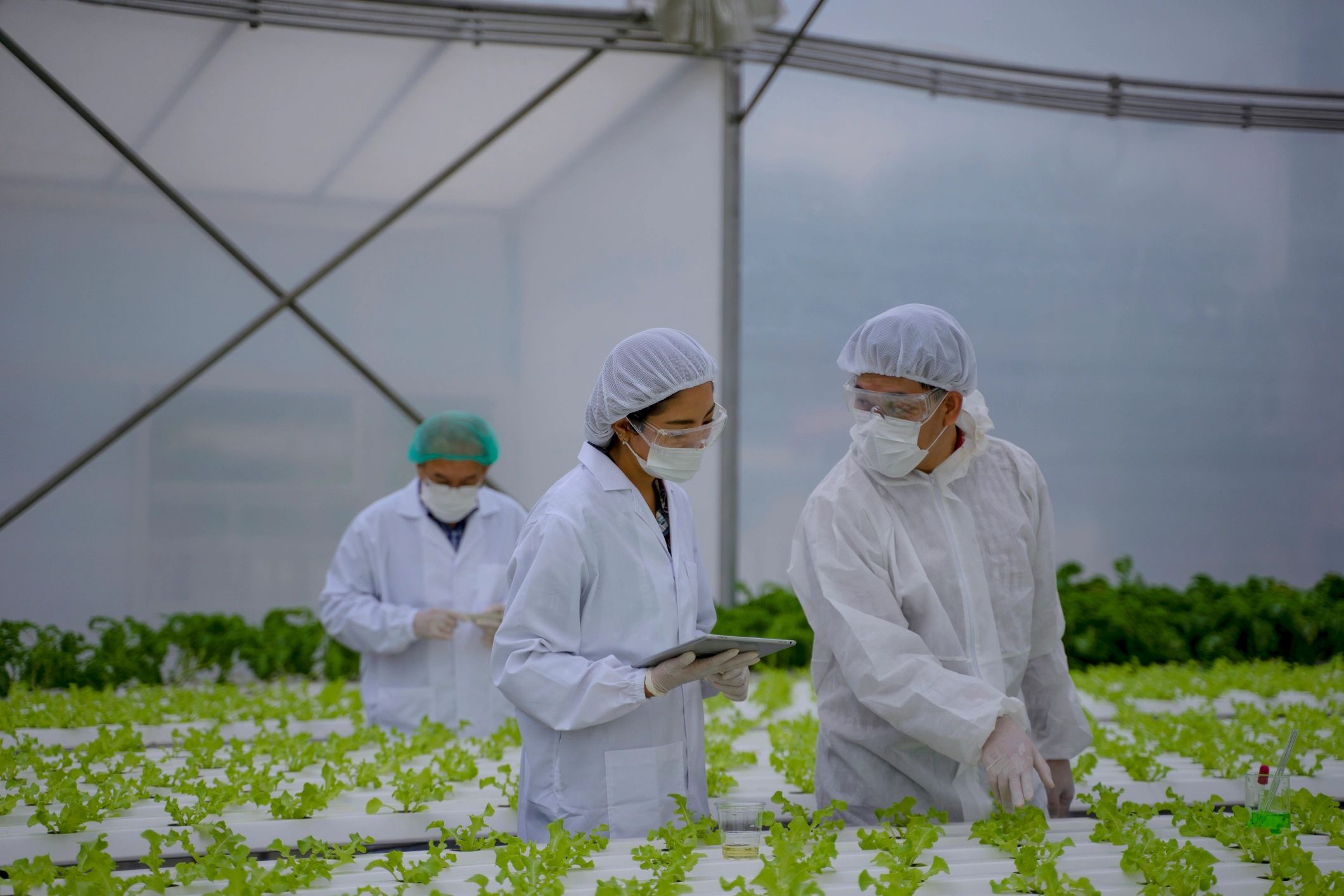
Where appropriate, workshops include observation exercises, specimen-based demonstrations, or introductions to field documentation and research methods.
Impact
Built for diverse audiences
Programs can support university students, early researchers, educators, and public outreach groups with content tailored to the level and setting.
Highlights
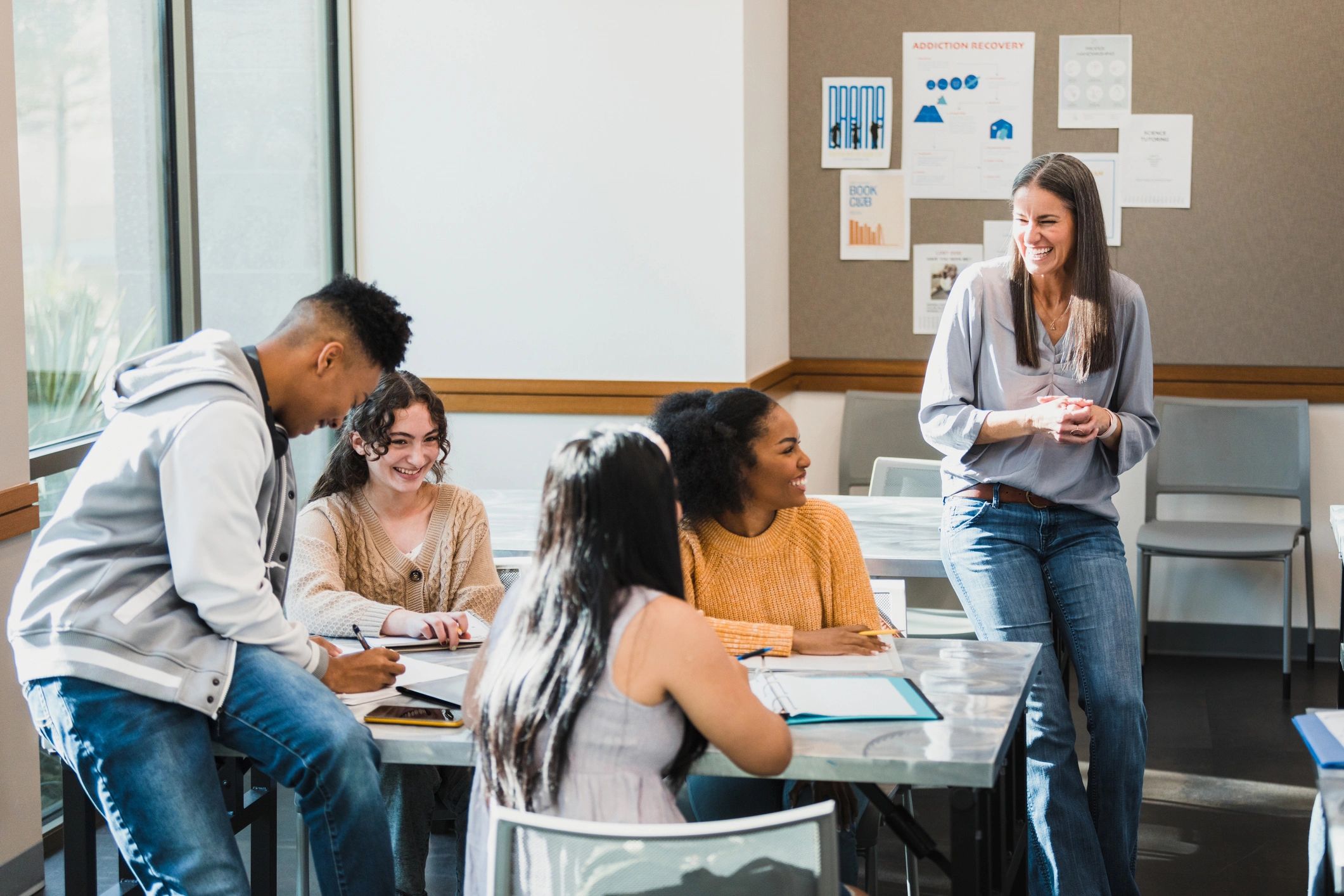
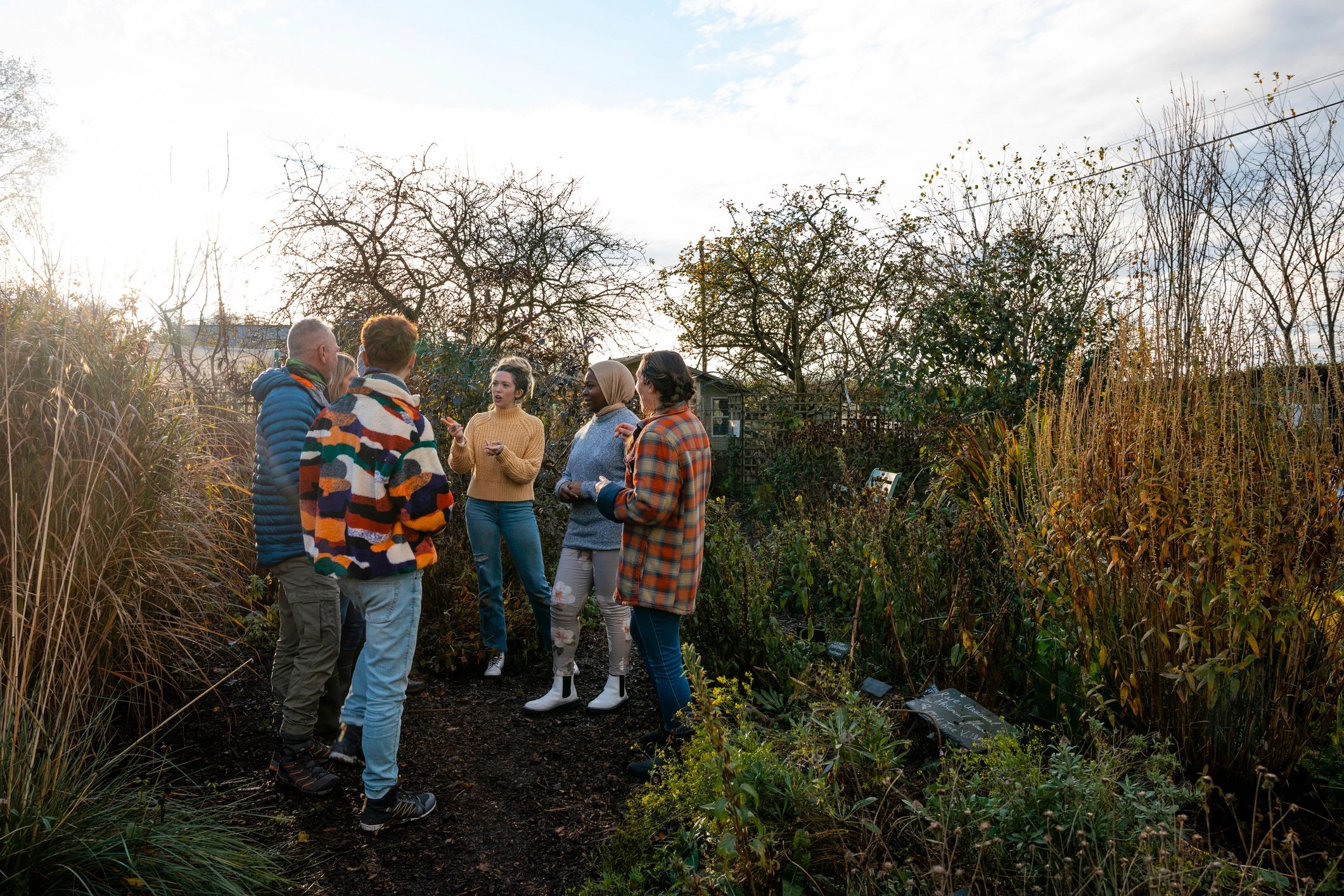
Workshop environments and engagement
From classroom discussion to outdoor exploration, workshops are designed to encourage curiosity, observation, and active participation.
Plan a workshop or collaboration
For academic institutions, student groups, and outreach partners interested in biodiversity and conservation workshops, please get in touch to discuss format, audience, and scope.